Why the SaaS Debt Crisis Matters for Your Personal Loan Strategy

What changed
The private credit landscape is experiencing a significant shift as the software-as-a-service (SaaS) sector hits a financial bottleneck. According to SaaStr, the total amount of distressed tech debt has reached $46.9 billion. Furthermore, a substantial maturity wall is approaching, with 23 out of 32 rated Business Development Companies (BDCs) facing $12.7 billion in unsecured debt maturing by 2026. This data arrives at a time when, as noted by Mean CEO's BLOG, the market has shifted from prioritizing 'easy growth' to rewarding fiscal discipline, with SaaS firms now averaging 12.7% growth and 22.6% EBITDA margins.
How it works
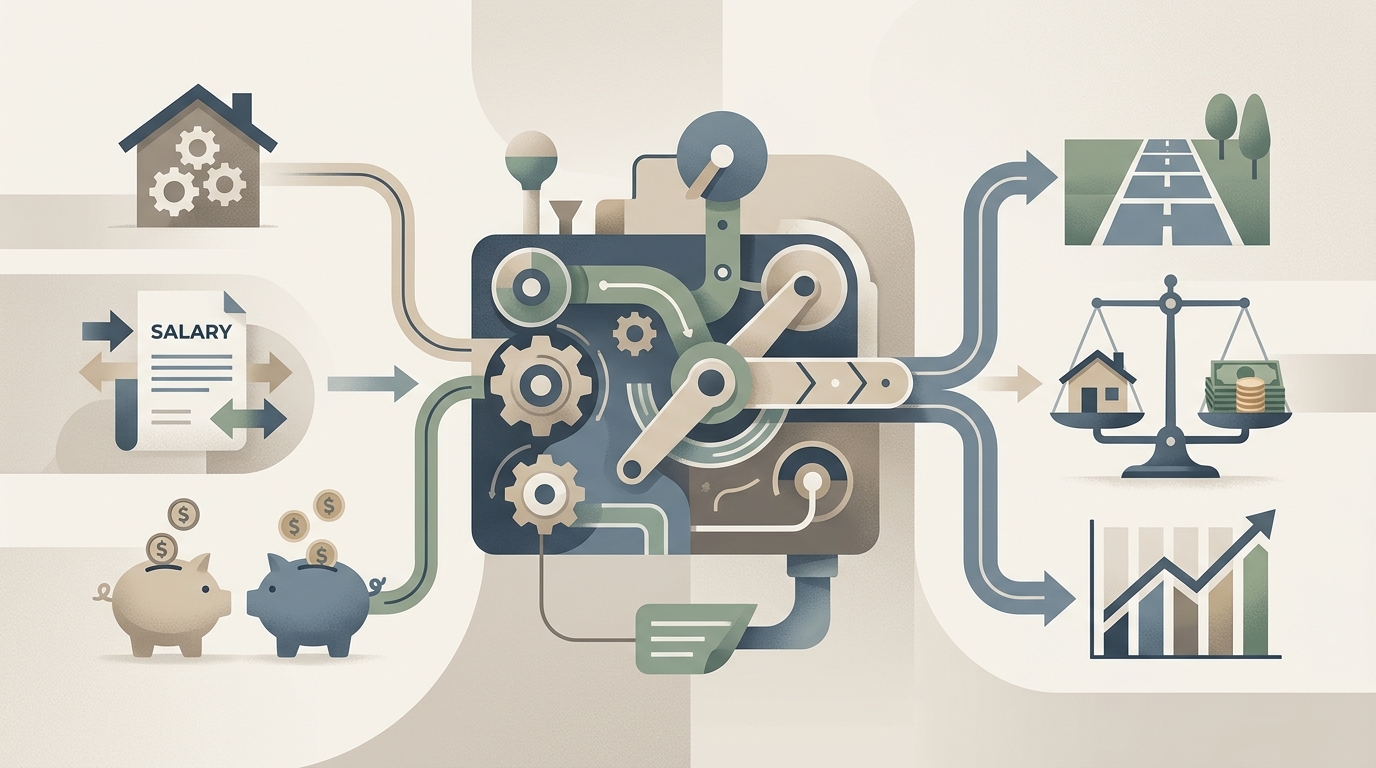
Financial markets rely on the continuous refinancing of debt to sustain operations. Both SaaStr and Mean CEO's BLOG imply that the era of cheap, easy capital for tech firms is effectively over. While BDCs are the primary entities holding this debt, the 'distressed' status means that companies are struggling to meet original repayment terms. This creates a liquidity crunch; when lenders like BDCs focus on managing $12.7 billion in maturing debt, they become less likely to offer competitive rates or flexible terms to the broader consumer and small business market, as they prioritize risk mitigation over aggressive expansion.
Who it hits
The immediate impact is felt by SaaS companies with high debt loads, but the ripple effects extend to the lending industry. As risk appetites tighten, the cost of borrowing increases across sectors. Consumers looking for personal loans or mortgages may find that lenders are becoming more conservative with their debt-to-income (DTI) requirements, as the overall financial climate becomes more cautious regarding non-performing assets.
Why this matters for the budget-conscious consumer
For a consumer actively managing personal loan affordability, the SaaS debt crisis is a leading indicator of tightening credit standards. When large institutional lenders face a 'maturity wall' and high levels of distressed assets, they often tighten their underwriting criteria. This means that even if your credit score remains stable, you may encounter stricter DTI ratio caps or higher interest rates as lenders attempt to compensate for broader market instability.
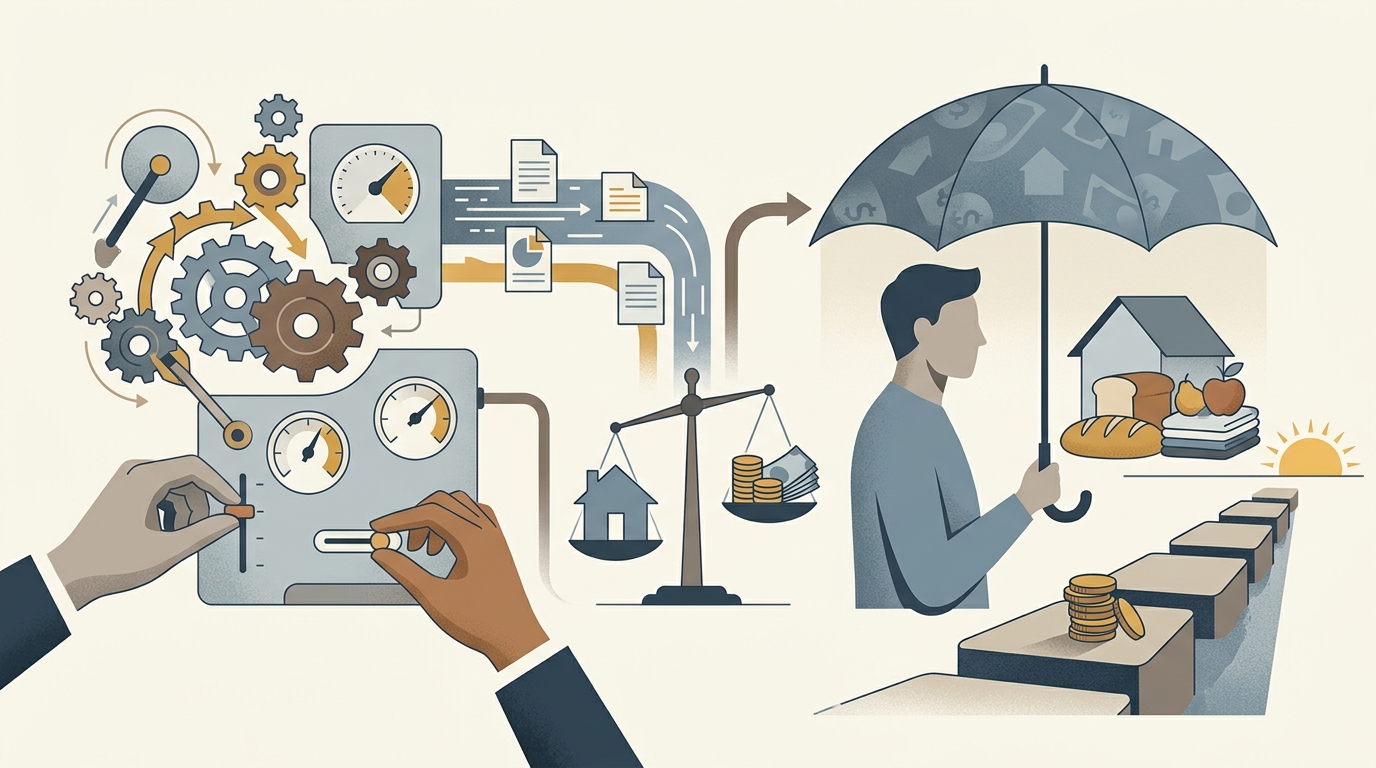
If you are in the 'consideration' phase of borrowing, it is critical to prioritize your financial positioning. Lenders facing uncertainty are less likely to offer 'best-in-class' rates to applicants with borderline debt ratios. Understanding that institutional instability can trickle down into retail mortgage and personal loan markets is key to timing your application. Ensuring your debt-to-income ratio is as lean as possible today could be the difference between approval and denial if banks further restrict lending in the coming quarters.
Bottom line
The volatility in the SaaS debt market signals a broader tightening of credit availability that will eventually reflect in the retail lending space. Borrowers should expect stricter qualification standards and should focus on optimizing their DTI ratios before seeking new loans. Visit our loan calculator tools to see if you qualify for current market rates.
Disclosures
This content is for educational purposes only and is not financial advice. myloancalculator.com may receive compensation from partner lenders, which may influence which products are featured. Rates, terms, and availability vary by lender and applicant qualifications.
What business owners say
4.9-
This company was lightning fast and the experience was amazing. Thank you, Dan — you're a real pro!
-
Good service Joseph Krajewski is the best agent ever. He provided excellent service. I strongly recommend working with him if you have the opportunity.
-
They gave me a chance when nobody else would. I'm very satisfied.
- Personal Loan vs. Credit Card Debt Consolidation: A 2026 Guide for Budget‑Conscious Borrowers (27/09/2026)
- Understanding 404 Redirects: A Quick Guide for 2026 Borrowers (11/09/2026)
- How to Fetch Loan Data: API Integration Guide for Personal Loan Calculators in 2026 (11/09/2026)
- Navigating the 2026 Loan Landscape: A Practical Consumer Guide (11/09/2026)
- How to Use MyLoanCalculator Tools Effectively in 2026 (11/09/2026)
- How to Submit a Loan Request and Boost Approval Odds in 2026 (11/09/2026)
- Understanding the Loan System: How Personal and Mortgage Loans Work in 2026 (11/09/2026)
- How to Read and Understand Your Loan Documents in 2026 (11/09/2026)